Baby Feeder Embroidery Design Review
As an experienced embroidery designer who regularly works with Creative Fabrica products, I recently came across the Baby Feeder machine embroidery design. This piece caught my attention not just for its theme but also for how it could be adapted into a variety of handmade and commercial projects. In this review, I’ll walk through my evaluation process as if preparing to use Baby Feeder on a real customer order—like a baby blanket or a personalized sweatshirt.
First Impressions of Baby Feeder
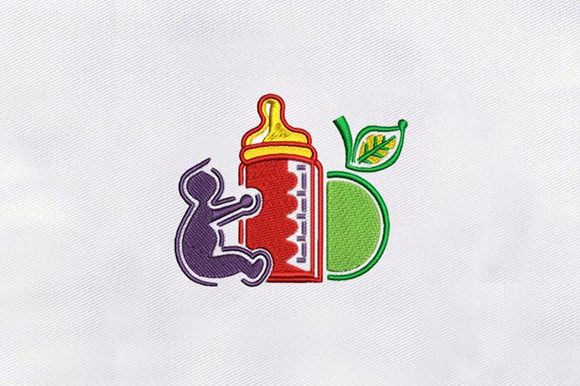
The Baby Feeder design has a soft, whimsical aesthetic that immediately suggests it’s ideal for baby-related items. Its visual mood is gentle and playful, with subtle details that add charm without overwhelming the fabric. The detail level is well-balanced, making it suitable for both small and larger embroidery projects. The stitching personality leans toward a decorative yet functional approach, which is perfect for applique designs or adding a touch of character to otherwise plain surfaces.
Visually, the design has a clear sense of purpose. It feels like something that would sit nicely on a baby onesie, a kitchen towel, or even a pillow cover. The decorative appeal is strong enough to make a statement without being too busy. It naturally fits into categories like nursery decor, handmade gifts, and custom apparel, especially when paired with the right color palette and fabric choice.
Real-World Performance in Embroidery Projects
When considering the Baby Feeder for real-world embroidery work, it's important to think about how it might perform on different materials and for various applications. For custom apparel, such as sweatshirts or tote bags, the design’s simplicity allows it to blend seamlessly with other elements while still standing out as a focal point. On a tote bag, for example, it could serve as a cute and eye-catching detail that adds value to the finished product.
On caps, where space is limited, the design may need some adjustments to fit within a smaller hoop size. However, the file formats provided—such as DST, PES, and EXP—make it compatible with most embroidery machines, which gives flexibility when working with different hoop sizes. For patches, the design’s structure makes it a solid candidate for embroidered patches that can be sewn onto clothing or accessories.
For baby items like aprons or blankets, the Baby Feeder brings a warm and inviting feel that aligns well with the target audience. The stitch density is moderate, which means it should handle well on stretchy fabrics without puckering. When using dark fabric, checking thread color contrast is essential to ensure the design remains visible and vibrant.
Practical Use Considerations
Before committing to use Baby Feeder on a final product, there are several practical considerations to keep in mind. Testing the design on scrap fabric is always a good idea, especially when dealing with textured or stretchy materials. This step helps identify any potential issues with stitch density or how the design interacts with the fabric’s surface.
For products that require frequent washing, like baby clothes or kitchen towels, using the correct stabilizer is crucial. A tear-away or cut-away stabilizer can help maintain the integrity of the embroidery over time. Additionally, inspecting small details after stitching ensures that no part of the design is missed, particularly when working with intricate elements like tiny lettering or layered details.
When creating printable mockups for Etsy listings or craft fair products, having access to high-quality digital embroidery files is key. The Baby Feeder offers a wide range of file formats, which makes it easier to integrate into various design software or printable mockup tools. This versatility is a big plus for small business owners looking to streamline their workflow.
Impact on Product Value and Branding
The Baby Feeder can significantly enhance the visual appeal of a handmade product. Whether used on a personalized gift or as part of a boutique merchandise line, the design adds a layer of thoughtfulness that customers appreciate. It can elevate the presentation of a product, making it more attractive for photography and social media showcasing.
From a branding perspective, using consistent design assets like Baby Feeder helps build a recognizable look for your handmade shop or Etsy store. The design’s soft and playful nature aligns well with themes centered around babies, nurseries, and family-oriented gifts. This makes it a great addition to collections that aim to evoke warmth and care.
When selling finished products, it's essential to confirm the licensing terms on the Creative Fabrica product page before offering them for sale. Ensuring that the design is legally permissible for commercial use is a critical step in protecting your business and maintaining buyer trust.
Final Thoughts and Embroidery Notes
In conclusion, the Baby Feeder is a versatile and visually appealing machine embroidery design that can be effectively used in a wide range of handmade and commercial embroidery projects. Its compatibility with multiple file formats and its ability to adapt to different fabric types make it a valuable asset for embroidery designers, Etsy sellers, and creative entrepreneurs alike.
If you're considering using Baby Feeder in your next project, remember to test it on scrap fabric first, check thread color contrast, and review stitch density. Confirming the hoop size and using proper stabilizers will also help achieve the best results. Lastly, always double-check the product details on Creative Fabrica to ensure compliance with licensing requirements before selling finished items.